
The hard water impact fixtures Denver homeowners face can lead to frustrating and costly issues. Minerals like calcium and magnesium in Denver’s hard water cause buildup on bathroom faucets, showerheads, and toilets, reducing efficiency and lifespan.
Over time, this mineral scale can clog pipes, stain surfaces, and increase the risk of corrosion damage. The effects of hard water not only diminish the appearance of fixtures but also raise maintenance costs and lead to more frequent replacements.
Understanding how hard water affects bathroom fixtures in Denver is essential for protecting your investment and maintaining functionality. Homeowners looking to preserve their plumbing systems should consider proactive measures to mitigate the hard water impact and extend the life of their bathroom components.
Why It Matters in Denver
Denver’s unique water profile includes a high mineral content that contributes to hard water, which can cause significant damage to bathroom fixtures. The accumulation of minerals like calcium and magnesium leads to scale buildup, reducing the lifespan and efficiency of faucets, showerheads, and pipes.
This water impact in Denver’s plumbing systems often results in frequent repairs and higher utility bills.
Homeowners in Denver should understand these risks to protect their investments by choosing appropriate water softening solutions and maintenance strategies. Addressing hard water issues proactively helps preserve fixtures, maintain water flow, and avoid costly damage unique to Denver’s water conditions.
How Hard Water Composition in Denver Affects Bathroom Fixtures
Denver's hard water is primarily characterized by elevated levels of minerals like calcium and magnesium. These minerals originate from the region's natural soil and rock formations, influencing the water composition that flows through local plumbing systems.
When this mineral-rich water contacts bathroom fixtures, it can interact with various materials, leading to noticeable effects over time.
The presence of calcium and magnesium in Denver's water causes mineral deposits to accumulate on surfaces such as faucets, showerheads, and other bathroom fixtures. These deposits often form a white or chalky buildup known as limescale, which can diminish the aesthetic appeal and operational efficiency of fixtures.
Materials like chrome and stainless steel are particularly susceptible to mineral adherence, while porous materials may experience staining or surface degradation.
In addition to visible buildup, the chemical interaction between hard water minerals and fixture materials can accelerate wear. For instance, repeated exposure to high mineral content can cause corrosion in metal components or reduce the lifespan of rubber seals and washers found in faucets and valves.
This ongoing impact necessitates regular maintenance or protective measures to preserve the functionality and appearance of bathroom fixtures in Denver.
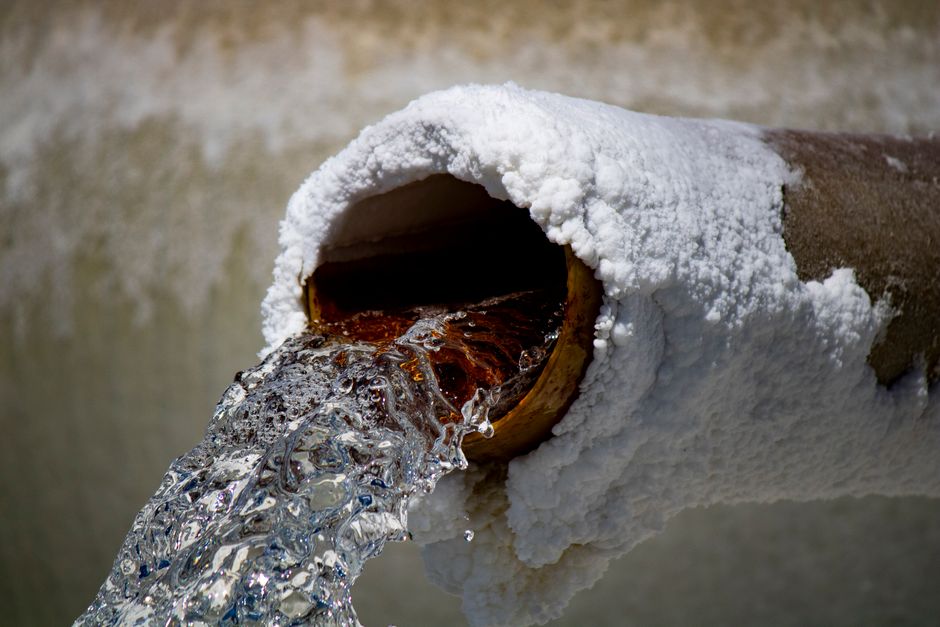
Common Types of Damage Hard Water Causes to Bathroom Fixtures in Denver
Denver homeowners often encounter scaling on bathroom fixtures due to the high mineral content in local water. This buildup primarily consists of calcium and magnesium deposits that accumulate on faucets, showerheads, and sinks.
Over time, scaling can clog aerators and reduce water flow, leading to inefficient fixture performance and a dull appearance.
Corrosion is another common problem caused by hard water in Denver. The interaction between minerals and metal surfaces can accelerate the deterioration of fixture materials, especially those made from brass or chrome.
This corrosion not only compromises the structural integrity of plumbing components but also results in unsightly pitting and surface damage.
Typical Hard Water Damage to Bathroom Fixtures in Denver
- Staining: Persistent mineral deposits leave white or rust-colored stains on sinks and tubs, which are difficult to remove with standard cleaning.
- Reduced fixture lifespan: Scaling and corrosion together can shorten the useful life of bathroom fixtures, necessitating earlier replacement.
- Clogged showerheads: Mineral buildup blocks nozzles, causing uneven water spray and decreased water pressure.
- Dull finishes: Hard water minerals cause loss of shine on metal and porcelain surfaces, affecting the overall aesthetic.
Professional companies in Denver typically advise regular maintenance to mitigate these effects. Recognizing the signs of scaling, corrosion, and staining early can help homeowners protect their bathroom fixtures from long-term damage associated with Denver's hard water.
Effective Methods to Protect and Maintain Bathroom Fixtures Against Hard Water in Denver
Denver homeowners looking to mitigate the effects of hard water on bathroom fixtures often turn to water softeners as a primary solution. These systems reduce the concentration of calcium and magnesium in the water, significantly decreasing the risk of mineral buildup on faucets, showerheads, and other plumbing components.
Installing a water softener tailored for Denver's specific hard water composition can extend the life of bathroom fixtures and improve overall water quality.
Regular cleaning techniques are also essential for maintaining fixtures in Denver. Using gentle, non-abrasive cleaners designed to dissolve mineral deposits helps prevent the accumulation of scale and residue. Homeowners should clean showerheads and faucets at least once a month to minimize the impact of hard water minerals.
Additionally, wiping down fixtures after use can reduce water spots and prolong their aesthetic appeal.
Protective coatings represent another effective method to guard against hard water damage. Specialized sealants applied to metal surfaces create a barrier that inhibits mineral adherence, reducing the need for frequent cleaning. Professional contractors in Denver may recommend specific coatings compatible with local plumbing systems and common fixture materials.
Employing a combination of water softeners, regular cleaning, and protective coatings offers a comprehensive approach to preserving bathroom fixtures in Denver homes.
Frequently Asked Questions
How does hard water affect the lifespan of bathroom fixtures?
Hard water containing minerals like calcium and magnesium can lead to mineral deposits building up on bathroom fixtures. These deposits cause surface corrosion and reduce the efficiency of faucets, showerheads, and other fixture materials. Over time, this wear and tear shortens the life of bathroom fixtures.
Can hard water cause damage to plumbing systems beyond visible fixtures?
Yes, hard water often leads to scale buildup inside plumbing systems, which restricts water flow and increases pressure. This can cause pipe corrosion, leaks, and blockages. Professional contractors in Denver usually recommend addressing hard water effects early to prevent costly plumbing repairs.
What maintenance steps help protect bathroom fixtures from hard water damage?
Regular cleaning using vinegar or commercial descaling products can remove mineral deposits. Denver homeowners should also consider installing water softeners or filters that reduce calcium and magnesium levels. These methods help preserve the appearance and function of fixtures like faucets and showerheads.
Are certain bathroom fixture materials more resistant to hard water damage?
Materials such as stainless steel, brass, and chrome finishes generally show better resistance to mineral buildup and corrosion. Denver-based fixture suppliers often recommend these for areas with high mineral content. Homeowners looking for durability should prioritize these fixture materials.
How can Denver homeowners assess if their bathroom fixtures need professional attention due to hard water?
Visible scaling, reduced water flow, dripping faucets, and discoloration are common signs of hard water damage. Homeowners noticing these issues should consult with local mold remediation contractors or plumbing professionals. These experts can evaluate the extent of mineral impact and recommend appropriate solutions.
Understanding the effects of hard water on bathroom fixtures in Denver, CO is essential for maintaining the longevity and functionality of faucets, showerheads, and plumbing systems. Addressing issues like mineral deposits and water flow restrictions early can prevent costly water damage and preserve fixture materials.
Denver residents benefit from proactive strategies tailored to the region's unique high mineral content and water conditions.
Homeowners seeking to safeguard their bathroom fixtures should consider consulting with local water treatment experts. Get matched with vetted Bathroom Remodel contractors in Denver, CO via our -matching form to explore effective solutions and protect your investment.